
AITN Journal · News
Empty Shelves in Rio Claro: What the Urea Shortage Means for Trinidad & Tobago’s Food Security By Taran Ramjit
This article addresses the widespread shortage of granular urea fertilizer in Trinidad and Tobago, highlighting its causes, economic consequences, and resupply expectations
Reading appearance
Appearance is remembered on this browser, including after sign-out. Reading progress stays on this page. About these settings
Select and copy this link using your browser.
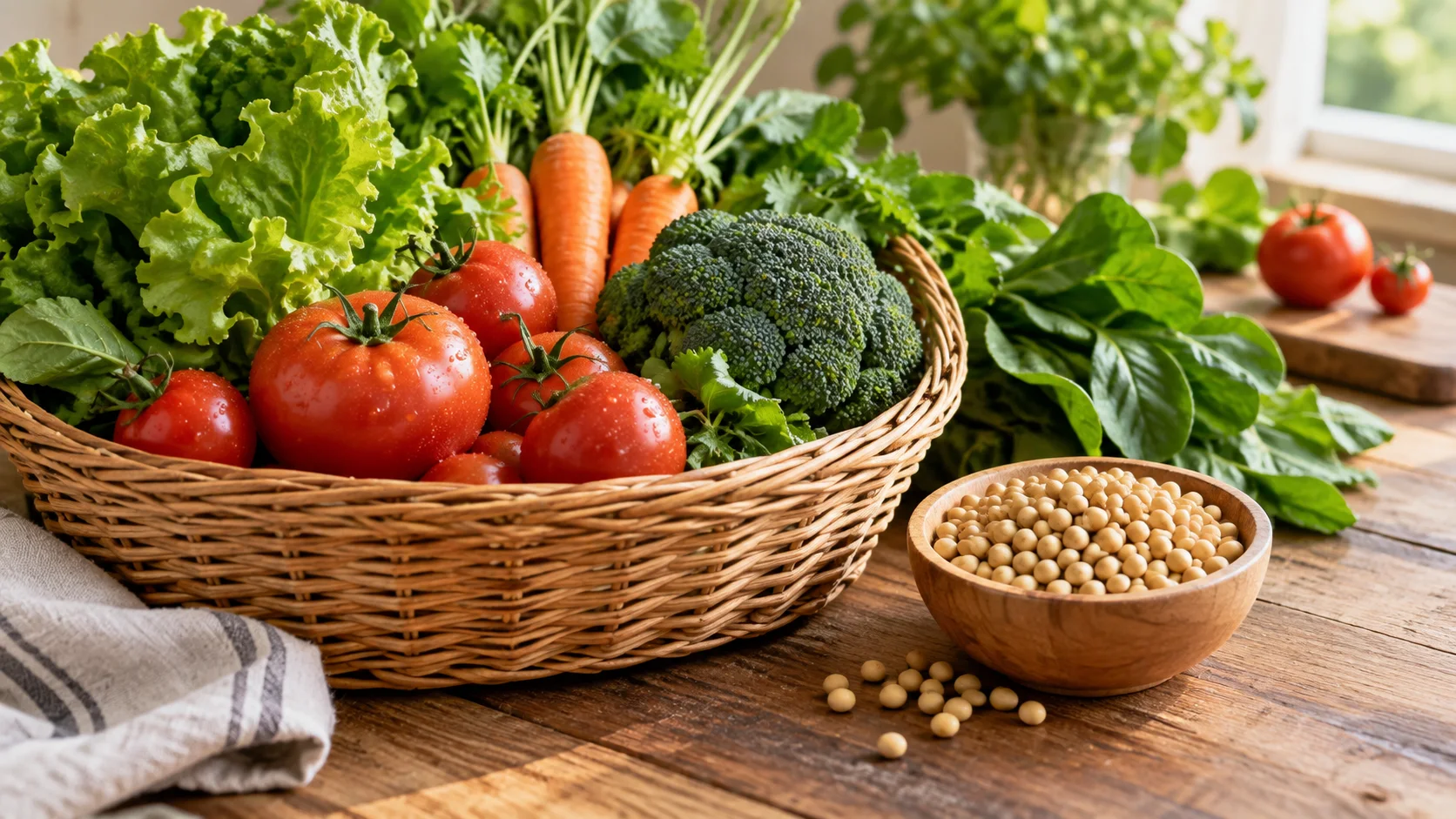
If you walk into an agricultural shop in Rio Claro today asking for a bag of urea, you will likely be met with the exact same answer given across Trinidad: "No stock."
For over a month, agro-shops in the East-West corridor, Central, and deep South have had their shelves cleared of granular urea—the most critical nitrogen-based fertilizer in modern farming. While missing fertilizer might sound like a niche issue for full-time farmers, the reality is stark: an empty bag of urea today means significantly higher produce prices and lower local food availability at the market tomorrow.
Why Urea Matters to Trinidad & Tobago
Urea contains 46% nitrogen, making it the most concentrated and cost-effective solid nitrogen source available to agricultural producers. Nitrogen acts as the primary building block for plant growth, driving leaf development and photosynthesis.
Without top-dressed nitrogen during critical growth stages, plants cannot develop properly. The current monthly blackout of urea hits several key local crops particularly hard:
• Short-Term Leafy Crops (Patchoi, Lettuce, Spinach): Require fast-acting nitrogen to reach market weight.
• Tree Crops & Fruits (Plantains, Bananas, Citrus, Papaya): Dependent on nitrogen early in the cycle to establish strong stem structures.
• Grain & Staple Crops (Corn, Rice): Highly nitrogen-demanding; lacking urea results in underdeveloped ears and severe yield reductions.
The Ripple Effect: From Soil to Supermarket
The absence of urea creates a domino effect across the entire local economy:
1. The High Cost of Substitutes
Deprived of urea, farmers are forced to buy alternative fertilizers like Sulfate of Ammonia. However, Sulfate of Ammonia contains only 21% nitrogen. Farmers must buy and spread more than twice as much product to achieve the same nutrient output, dramatically raising labor and input costs.
2. Market Price Spikes
Higher production costs combined with lower crop yields directly translate to price hikes at local municipal markets. Consumers will see the price per pound for sweet peppers, tomatoes, melongene, and green ground provisions rise over the coming weeks.
3. A Paradox of Production
The irony is not lost on local producers: Trinidad and Tobago has historically been one of the world's premier exporters of nitrogen compounds and ammonia from the Point Lisas Industrial Estate. Yet, domestic supply chain friction, natural gas supply constraints, and global trade realignments have left our own local soil starving for nutrients.
When Can Farmers Expect Stock to Return?
Industry distribution channels and import clearing cycles point toward a phased recovery:
Horizon
Expected Status
Next 2–4 Weeks (Late Sept – Early Oct)
Initial import shipments are scheduled to clear port facilities, providing limited stock to major distribution hubs.
Next 4–8 Weeks (Late Oct – Nov)
Broader distribution to regional retail shops in places like Rio Claro and Mayaro as supply chains rebalance.
What Needs to Be Done?
This shortage highlights the vulnerability of Trinidad and Tobago's domestic food supply chain. To build resilience, key measures should be prioritized:
1. Strategic Domestic Reserves: Establishing a national buffer stock of essential agricultural inputs (Urea, NPK blends) to protect farmers from supply droughts.
2. Soil Testing & Precision Farming: Encouraging farmers to utilize soil analysis to optimize alternative nutrient applications rather than relying solely on high-dose surface fertilizing.
3. Organic Matter Integration: Incorporating composted manure, cover crops, and bio-fertilizers to improve soil organic mass, reducing absolute reliance on chemical nitrogen inputs.
The current shortage in Rio Claro is a clear warning sign. Protecting local agriculture requires ensuring that the basic inputs needed to feed the nation remain accessible and affordable year-round.
YOUR PERSPECTIVE MATTERS
What did you think?
Sign in to react. Counts reflect registered readers.
THE COMMUNITY CONVERSATION
Join the discussion 0
Share a useful perspective. Be respectful, stay on topic and keep personal information private.
Sign in to comment, reply or report a concern.